

Everyone has an idea. A product they wish existed. A service they know they could do better. A gap they've spotted a hundred times and never filled.
The gap between having that idea and actually doing something with it — that's where most people stay.
2026 is a strange time to start something. The tools have never been more accessible. The barriers have never looked lower. And yet, starting a new business in 2026 still asks the same uncomfortable things from you that it always has: clarity, commitment, and a willingness to look a bit foolish before you look competent.
This isn't a guide with a numbered checklist. It's a more honest look at what starting something actually involves right now.
The Noise Around Starting Up Has Never Been Louder
There are more podcasts, YouTube channels, LinkedIn posts, and online courses about entrepreneurship than any one person could get through in a lifetime. Everyone's documenting their journey. Everyone has a framework.
And paradoxically, all of that content makes starting harder, not easier.
You end up consuming instead of building. You keep researching because it feels like preparation. You wait until you've read one more book, taken one more course, finished one more thread about someone else's success.
That's not groundwork. That's avoidance with good branding.
The people who actually start — the ones who get something off the ground and figure it out as they go — aren't the best informed. They're the ones who decided that imperfect action was better than perfect planning.
What Starting a New Business in 2026 Actually Looks Like

It Starts Smaller Than You Imagine
The vision in your head and the first version of your business are two very different things. And that's fine — that's how it's supposed to work.
Your first client won't care about your brand deck. Your first product doesn't need to scale to a million users on day one. The idea is to find out if this thing you're building actually solves a problem for real people — and you can't find that out from a spreadsheet.
Start with the smallest version that tests the core assumption. Everything else can come later.
The Money Conversation Is Unavoidable
One of the most common reasons people delay starting is that they're waiting until they have "enough" money. The number shifts every time they get close to it.
The truth is, the cost of starting depends almost entirely on what kind of business you're building. A service-based business — consulting, design, coaching, content — can get off the ground for very little. You're selling a skill you already have, to people who already need it.
A product business, a physical space, a platform — those need more runway. But even then, the first version usually needs far less than founders think.
The question isn't do I have enough to start? What's the cheapest way to test whether this is worth building?
The Early Days Are Lonelier Than the Content Suggests
Everyone shows you the launch, the milestone, the funding round. Nobody really shows you the Tuesday afternoon at month three when you're not sure if any of this is working.
That stretch is real. It's also where most people quit — not because the idea was bad, but because they ran out of patience or support before they ran out of runway.
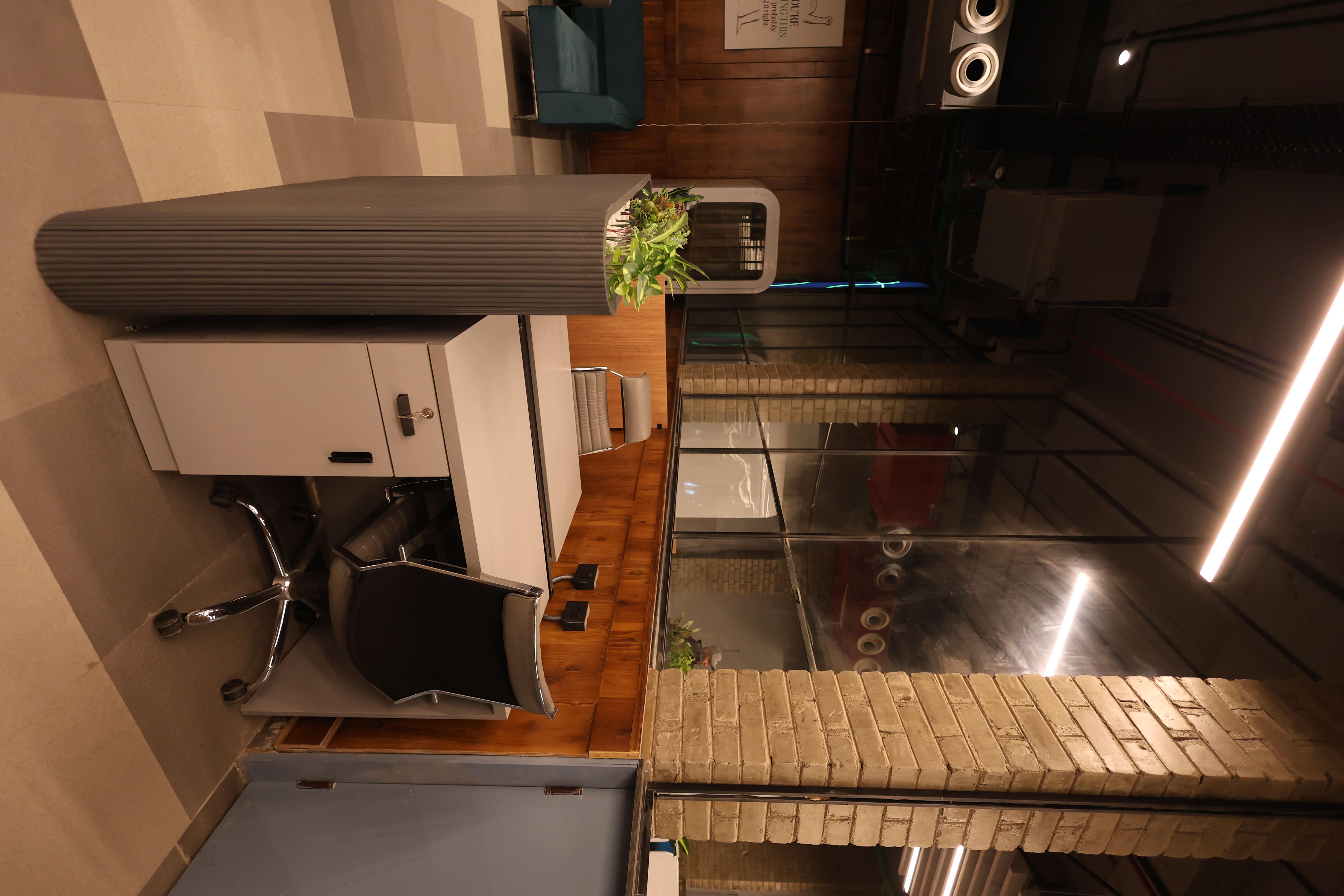
This is why the environment you work in matters more than people admit. Who you're around, what you see every day, whether you feel like you're part of something — these things shape how long you hold on when it gets quiet.
What's Actually Different About Starting Up in 2026
AI Has Changed the Leverage Available to Small Teams
A solo founder or a two-person team can now do things that would have required a full department five years ago. Content, code, research, customer support — AI tools have compressed the cost of doing all of it.
This doesn't mean AI replaces judgment. It means a founder with good judgment can move faster and stretch further than ever before. That's a real advantage, and it's available to anyone who's paying attention.
Customers Are More Sceptical, Not Less
Attention is hard to earn. People have seen too many launches, too many promises, too many brands that looked the part and delivered nothing. Trust is built slowly now, through consistency and honesty — not through a good product page.
Whatever you're building, showing up reliably over time matters more than any single campaign or announcement. The businesses that win in 2026 are the ones their customers actually believe.
Flexibility Is a Structural Advantage
Renting a traditional office, hiring a full team, committing to long contracts before you've validated anything — these are the decisions that sink early-stage businesses. They lock you in before you know enough to make good choices.
The smartest early-stage founders stay as flexible as possible. They test before they commit. They keep fixed costs low. They don't spend on what looks impressive — they spend on what actually works.
The Part Nobody Tells You About Starting
Starting a business changes you before it produces anything. You learn things about yourself — how you handle pressure, where your confidence actually sits, what you're willing to trade and what you're not — that you couldn't have learned any other way.
That part has value even if the business doesn't work out the way you planned. Most of the people you'd call successful entrepreneurs have something that didn't land before the thing that did.
The starting isn't a preamble to the real story. It is the real story.
If You're Thinking About It, You Already Know What You're Waiting For
It's not more information. It's not the best timing. It's not the right market conditions or a cleaner idea or a bigger network.
It's just the decision to begin — knowing it'll be messier than the plan, take longer than the timeline, and teach you more than any course ever could.
That's the reality of starting something new in 2026. It's also why it's worth doing.